

Walking Gait Analysis
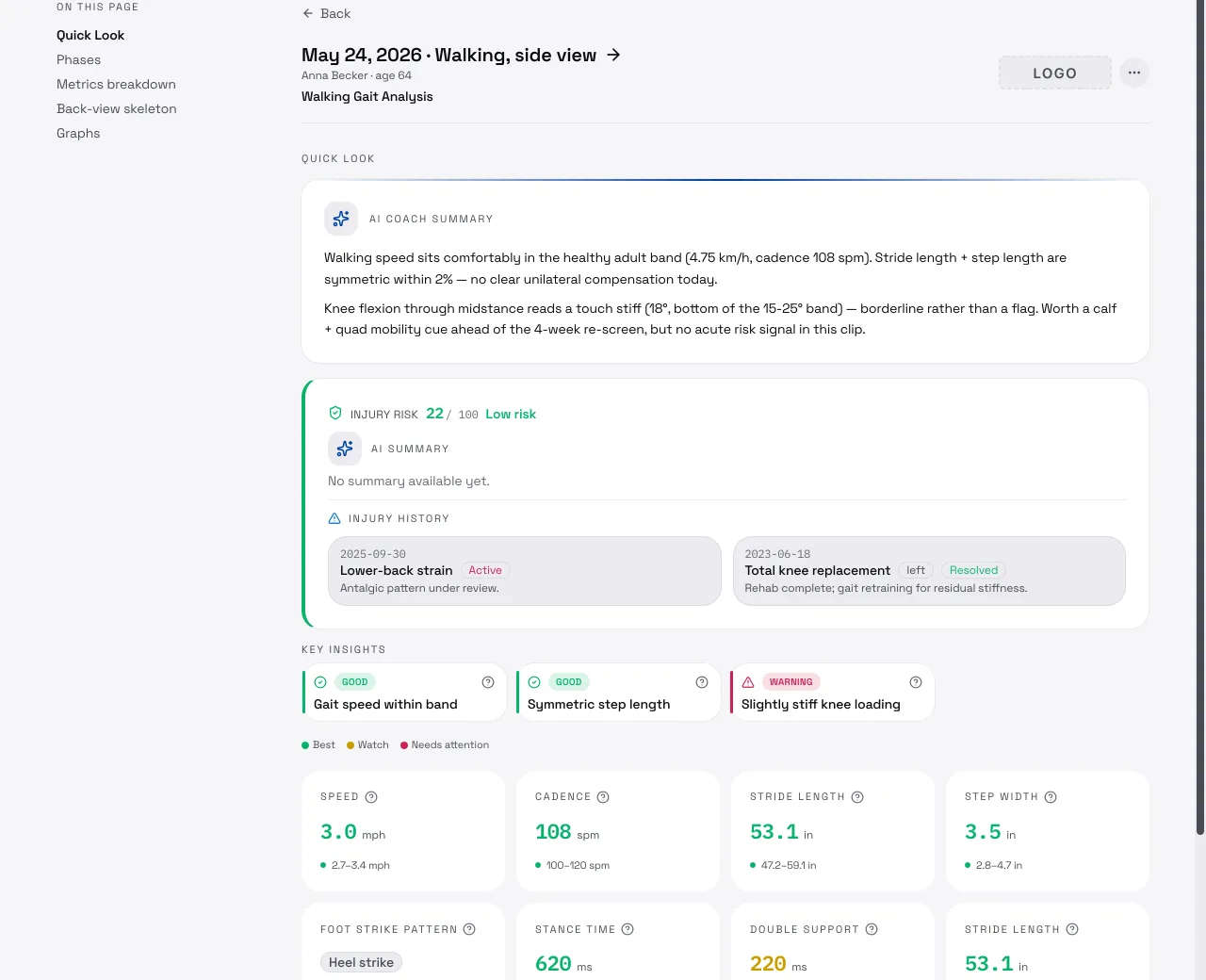
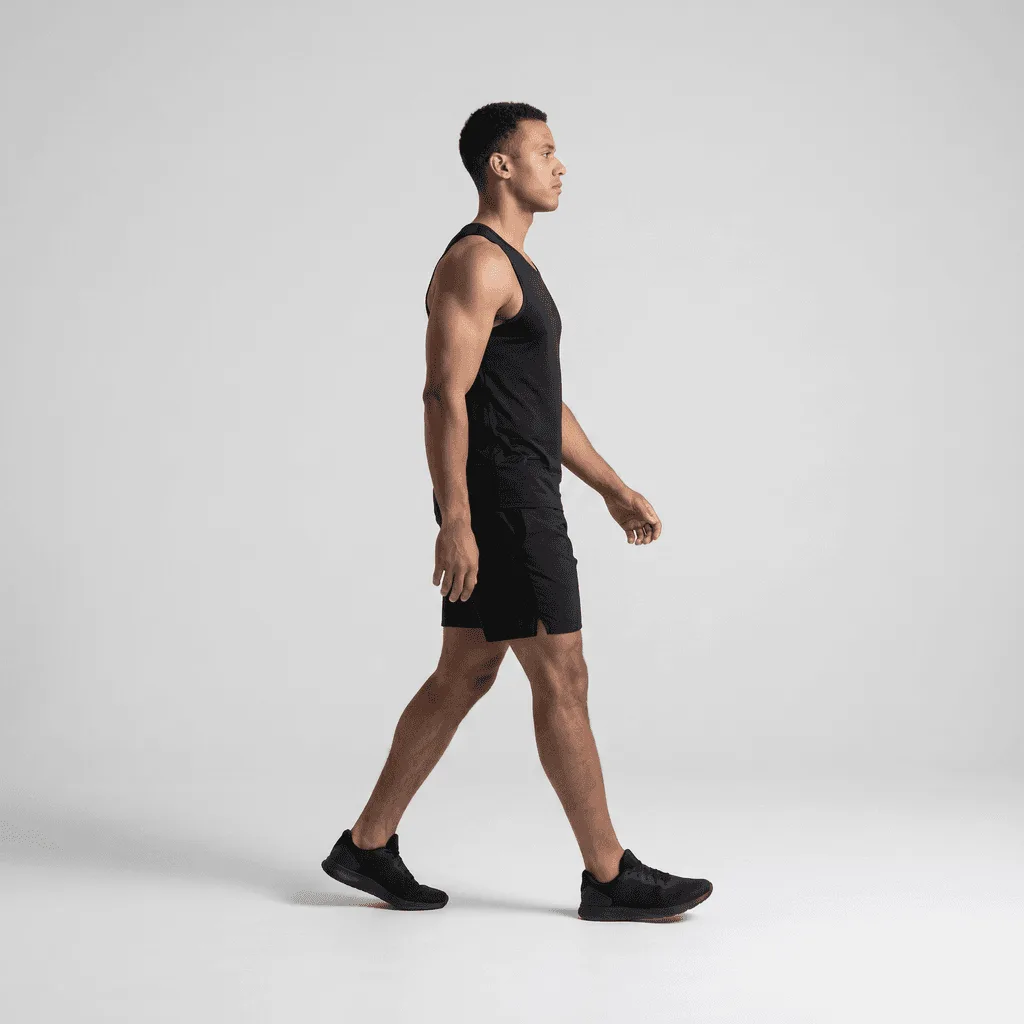
Two-view walking test — speed, stride, joint angles and frontal-plane control.
Walking Gait Analysis
Two-view walking test — speed, stride, joint angles and frontal-plane control.
Gait, range of motion, asymmetry and compensations in under a minute — no sensors, no lab.

“They're moving better” doesn't satisfy a payer, a referrer, or a patient who wants proof.
Without a number or a before/after, recovery is invisible — and motivation slips.
The shifts and asymmetries that stall recovery slip past a visual assessment.
Marker mocap and force plates don't fit a treatment room, a schedule, or a budget.

Tom's patient is “moving better” — but he can't show a payer, a referrer, or the patient what better means.
He films a short walk and runs the Walking Gait Analysis.
The patient opens a link and sees their own before/after — recovery made visible, no login.
Discharge becomes a decision backed by objective numbers, not a hunch.
Film a short walk or mobility test in the clinic. AiKYNETIX turns regular video into objective gait, ROM, asymmetry, and before/after reports patients can understand.
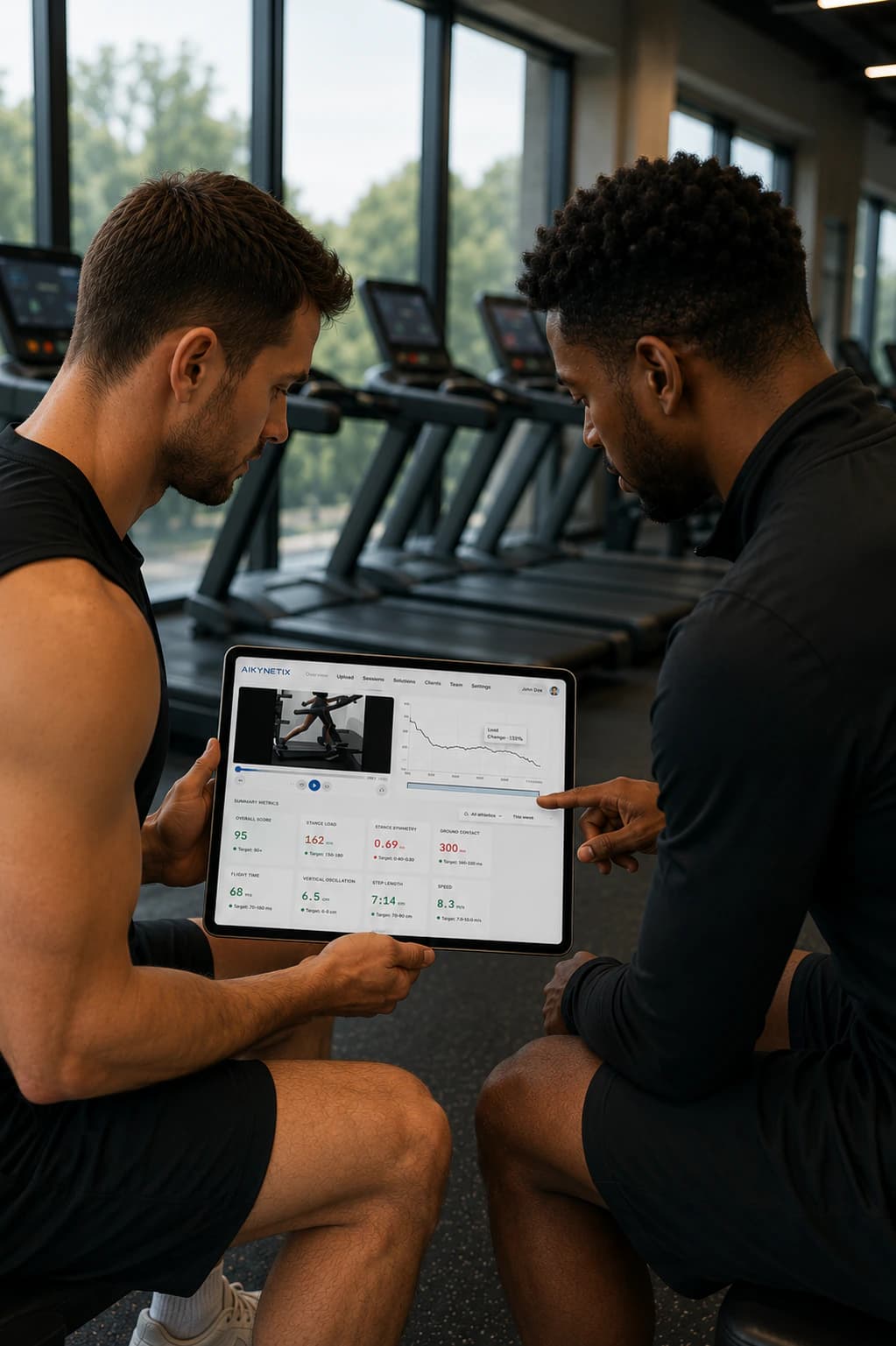
Flags highlight what needs attention — so the visit goes to care, not video review.

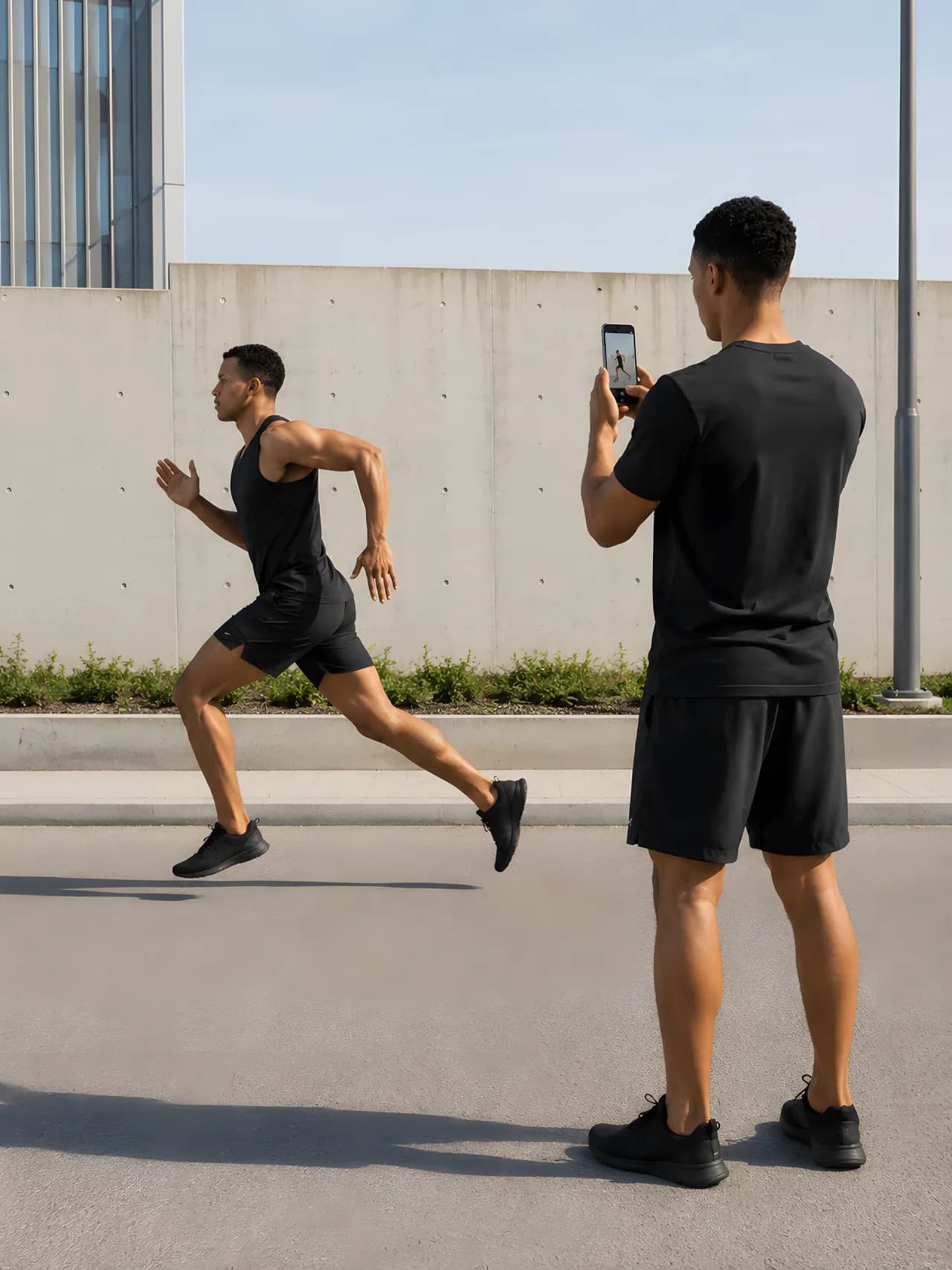
01Film a single clip from the side on the phone already in your hand — no markers to stick on, no wearables, no lab to book.
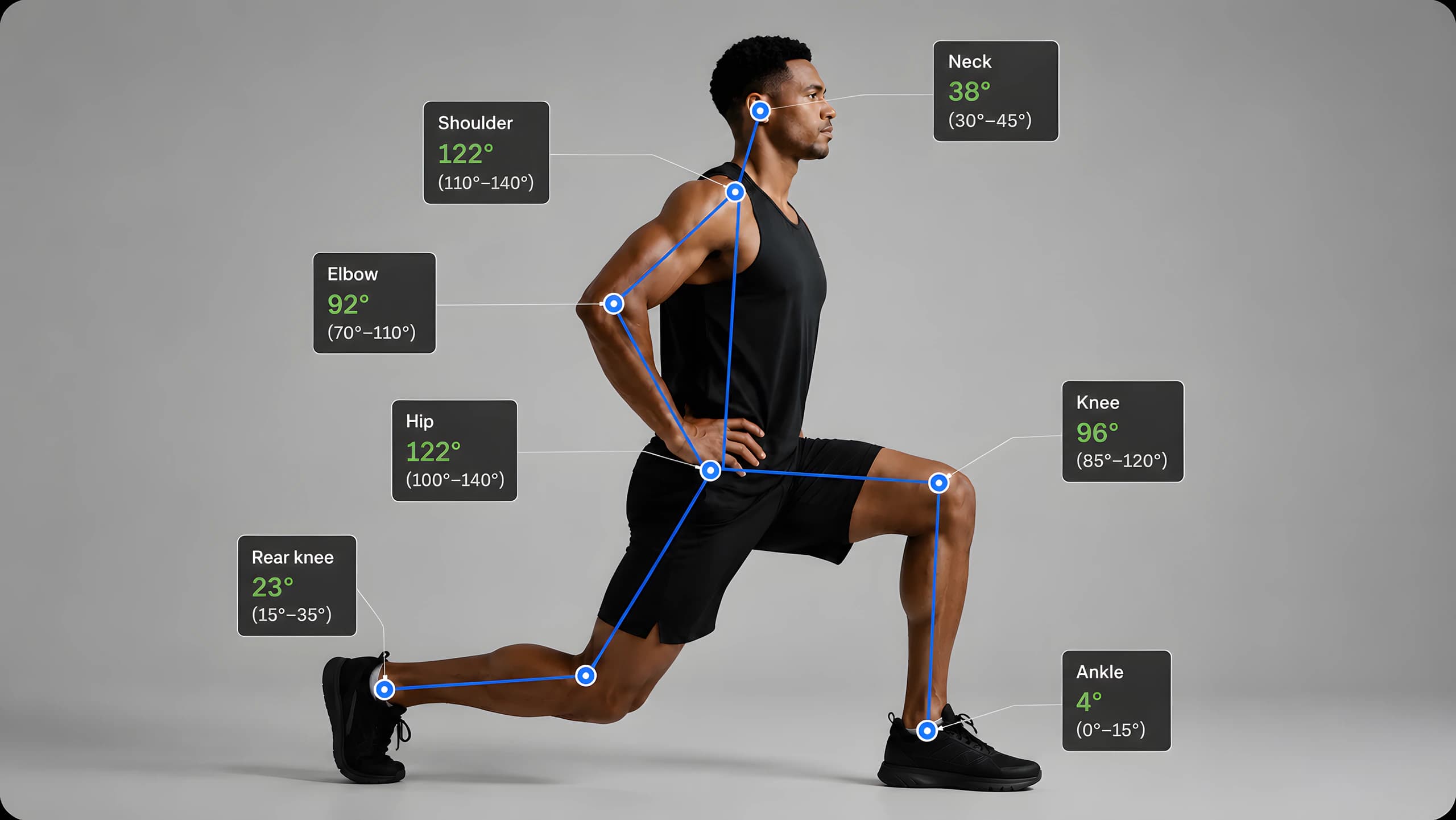
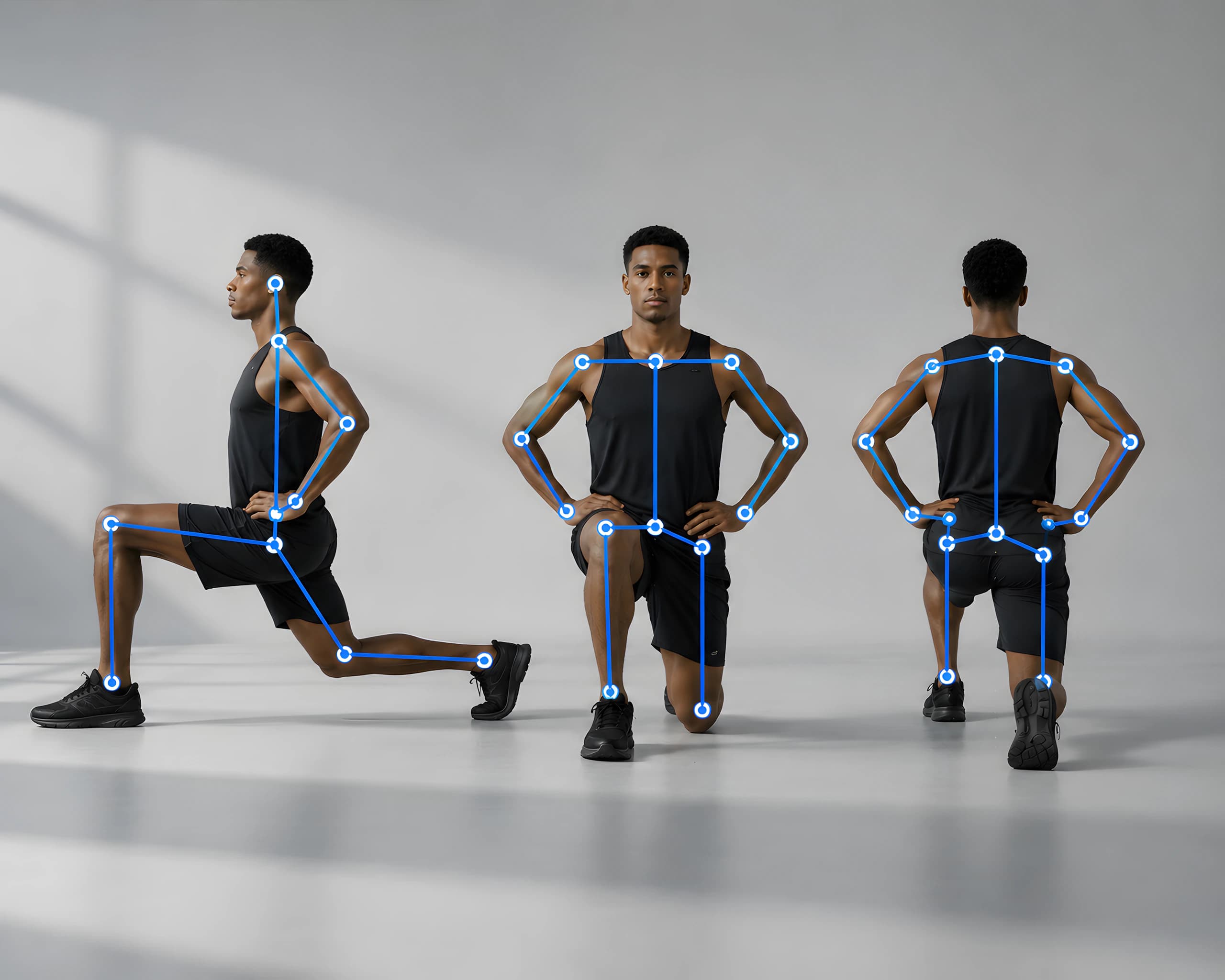
02The model reads the whole moving body — pose, joint angles, phase and symmetry — and turns those frames into 300+ validated metrics, with no one scrubbing footage by hand.
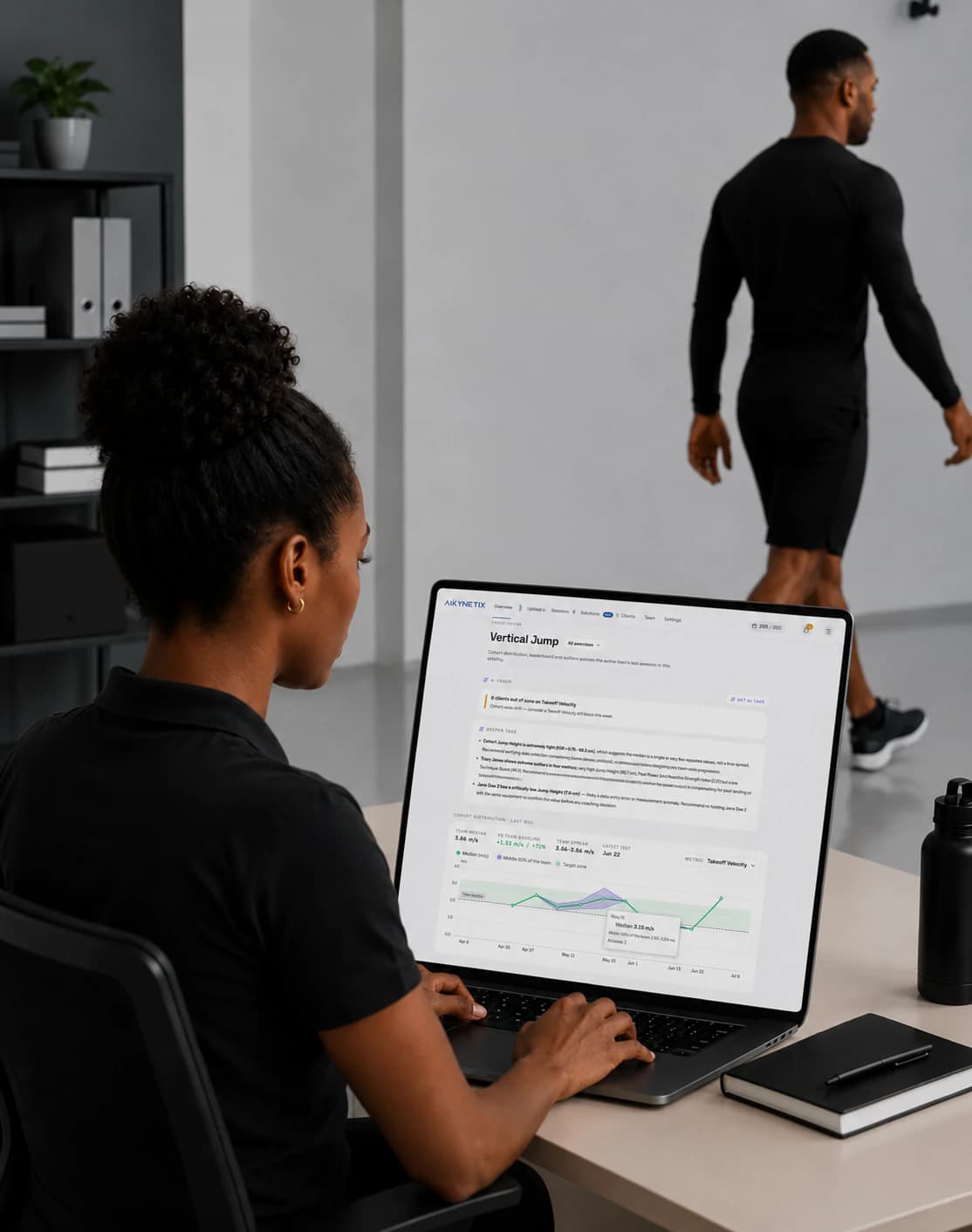
03It comes back as a plain-language brief with the athlete's trend across sessions — one report a coach, a clinic, or the athlete can act on, not decode.

A “good” number isn't universal. We compute the target zone for that person — height, weight, and sex — so normal for a 175 cm male isn't judged the same as normal for a 155 cm female.

Side, front, or back — each view unlocks more. The frontal view adds left/right asymmetry, knee valgus, hip adduction, and pelvic drop, with no re-recording.
Set a baseline, track the numbers visit over visit, and make the return decision on objective before/after criteria — not a hunch.
Capture the starting point — gait, ROM, asymmetry — on day one.

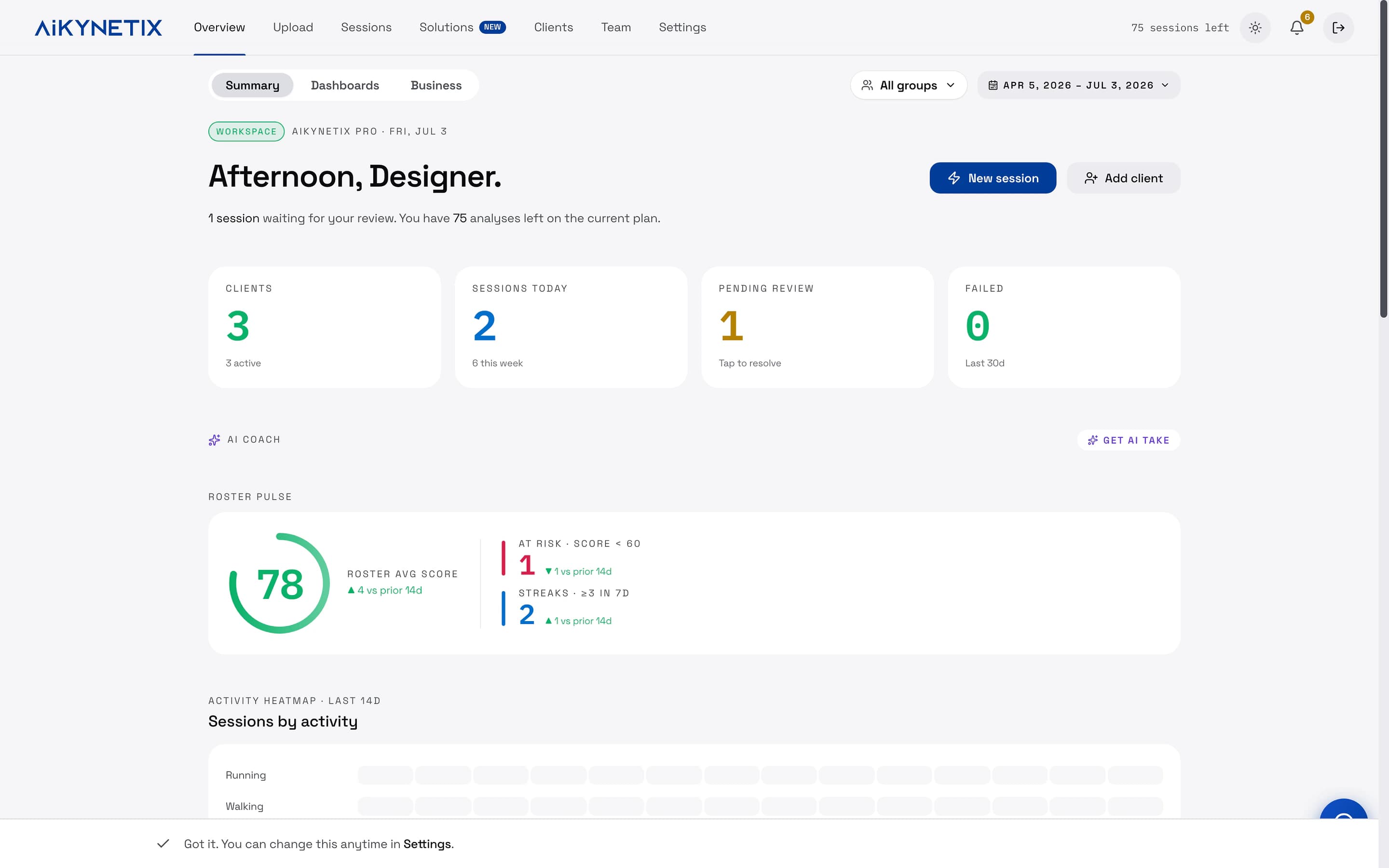
AI Coach — Right-knee asymmetry isn't trending down — hold the return-to-run progression.
Your hands-on assessment and judgment — the clinical picture.
Scans and specialist referral, when they're needed.
Objective movement numbers — between visits, and a clear before/after.
An objective movement-assessment tool — not a diagnostic medical device. Validation is independent lab testing; accuracy is reviewed on a call — no clinical-accuracy promises. Patient footage stays private — face blur and data protection are built in.
Validated against force plates at Texas A&M & University of Houston — independent biomechanics labs, on the kinematic and kinetic measures clinicians rely on.


“What I appreciate most is how AiKYNETIX brings biomechanics into real training and rehab settings. It helps coaches and clinicians see how athletes actually move and why specific patterns matter, instead of only looking at outcomes — leading to better decisions, lower injury risk, and athletes who move more efficiently and pain-free.”
Ready-made assessments for your field — pick one, film the clip, get a structured report and a score. New ones land every release.

Two-view walking test — speed, stride, joint angles and frontal-plane control.
Research notes, coaching practice, and product updates — the thinking behind the metrics.
All articles
How AiKYNETIX Closes the Lab-to-Field Gap

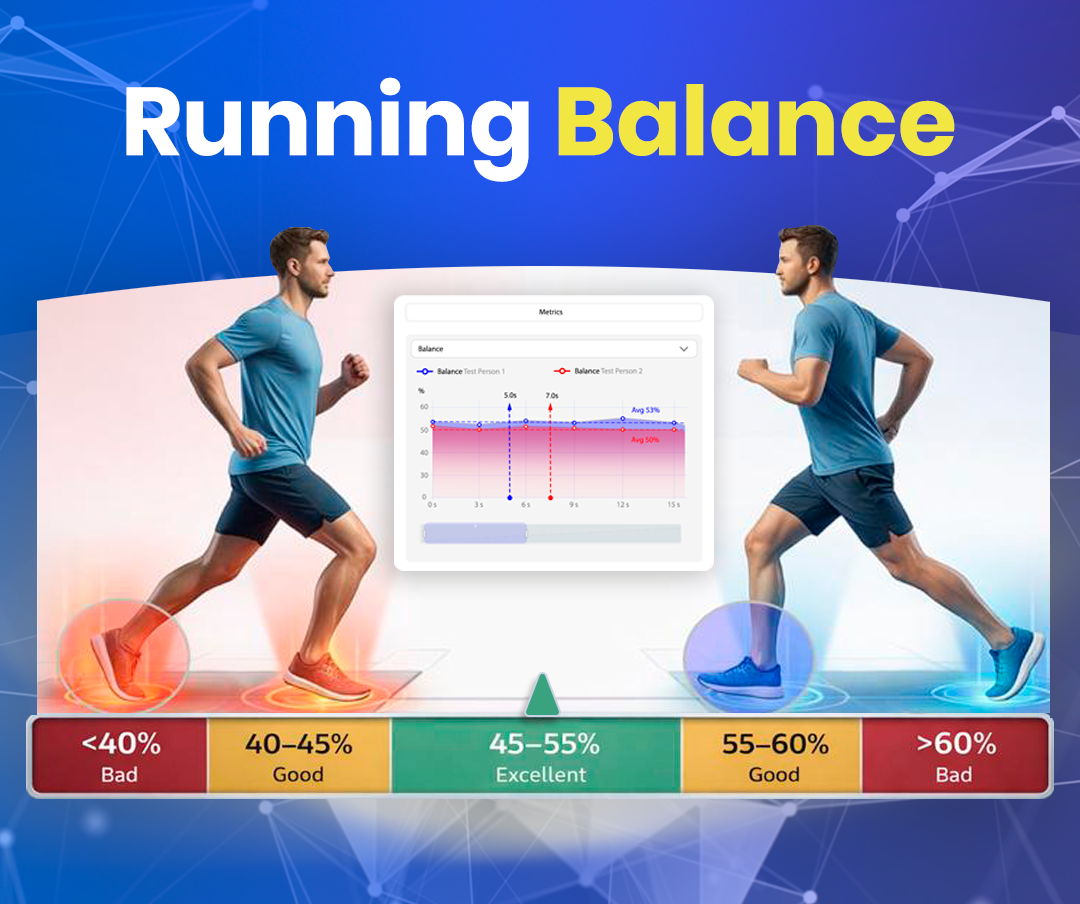
This article explains how AiKYNETIX measures running symmetry (Balance %), and how coaches and clinicians can use this metric to guide training and rehabilitation.

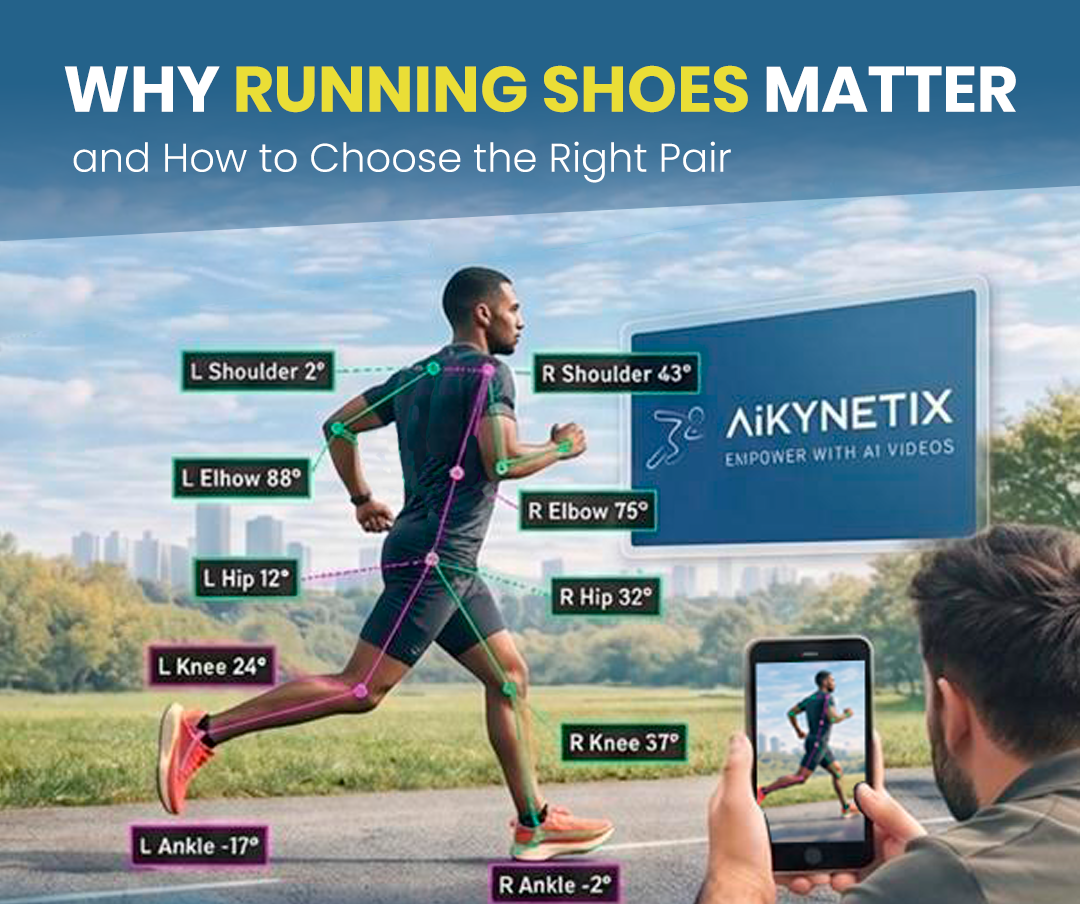
Discover how AiKYNETIX uses video-based gait analysis to help runners find footwear that matches their unique movement patterns.