The Walking Gait Cycle: How AiKYNETIX Microanalyses Human Movement
From gait phases to micro‑variations: how AiKYNETIX turns video into clinical insight.
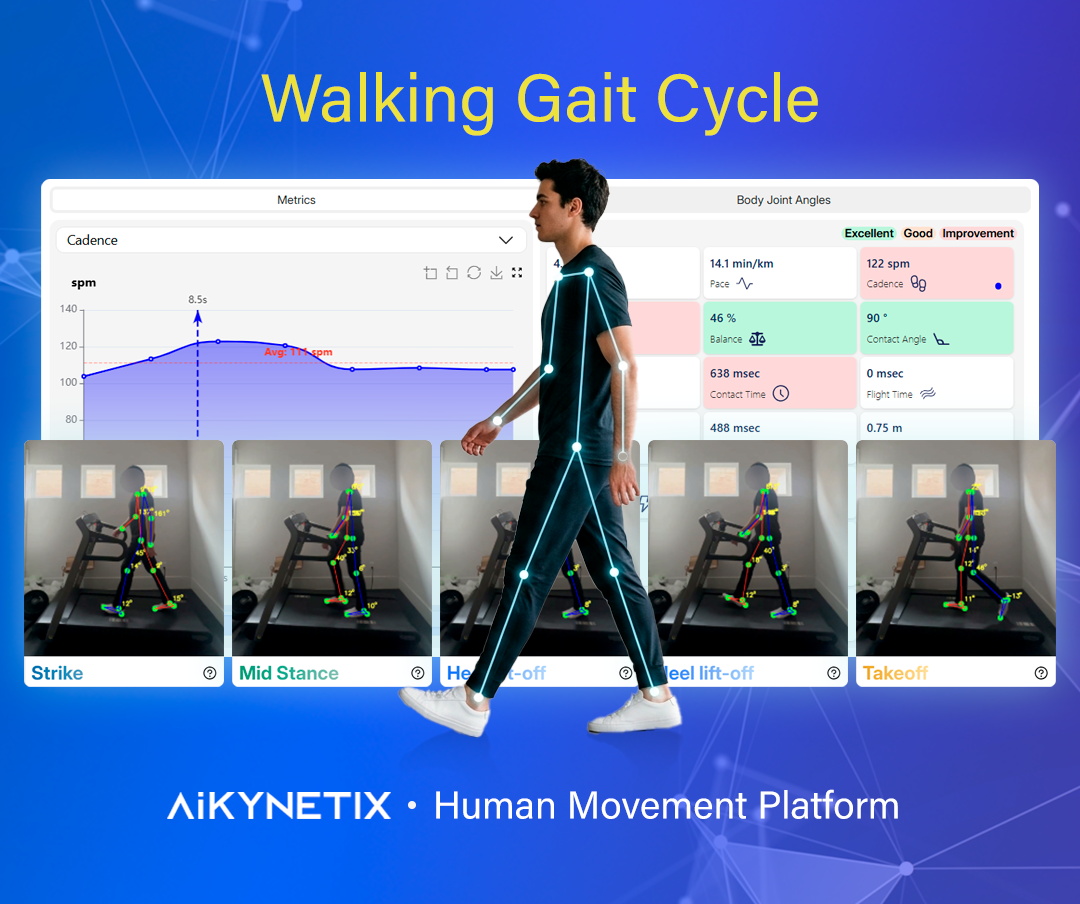
This article explores the walking gait cycle, its phases, key events, and clinical relevance, and explains how AiKYNETIX uses single-camera video analysis to detect subtle micro‑variations in movement, offering objective data for rehabilitation, injury prevention, and performance monitoring.
What is the walking gait cycle?
Walking is one of the most fundamental human movements, yet it requires highly coordinated interaction between the musculoskeletal, neuromuscular, and sensorimotor systems. The walking gait cycle describes the rhythmic pattern through which the body advances forward while maintaining balance and stability.
It involves alternate movements of the lower limb:
- One limb provides support
- The other limb advances forward
- The roles then reverse in a continuous pattern
Why does studying the walking gait matter?
Efficient gait reflects optimal mechanical efficiency (minimal unnecessary motion), metabolic efficiency (reduced energy cost), and neuromuscular coordination (timely muscle activation and inter-joint sequencing).
Typical healthy adult walking demonstrates:
- Cadence: 100-120 steps/min
- Walking speed: 1.2–1.4 m/s
- Step symmetry difference: < 5%`
- Stance phase duration: ≈ 60% of gait cycle
- Swing phase duration: ≈ 40% of gait cycle
- Double support duration: ≈ 20–24% of cycle
Deviations from these ranges may indicate altered loading strategies, reduced propulsion capacity, or impaired neuromotor control.
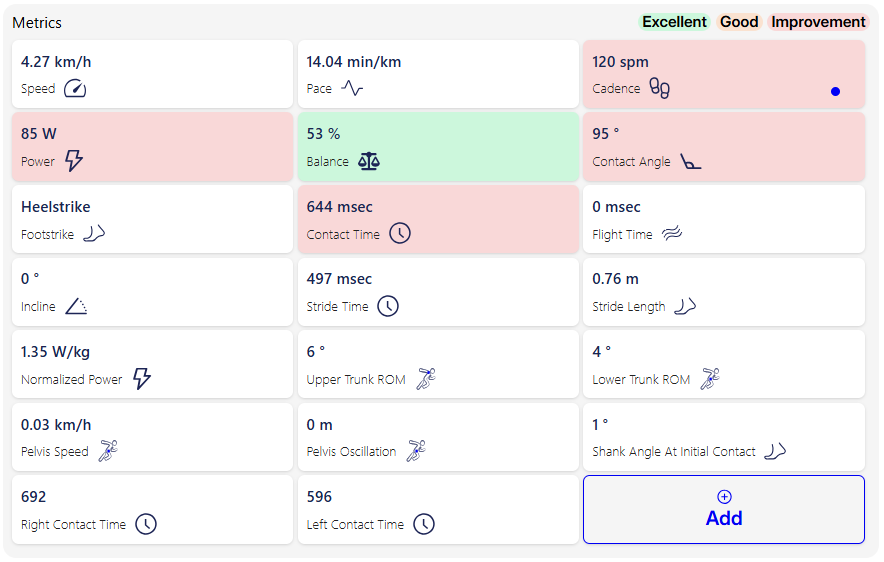
Fig 1. Reference Walking Metrics in AiKYNETIX.
Beyond biomechanics, changes in gait parameters are frequently associated with ageing, balance impairments, reduced confidence, and increased fall risk, which may limit participation in social and physical activities and ultimately affect overall well-being. Because of its close relationship with mobility and autonomy, gait performance is widely considered a global marker of health status and long-term functional independence.
Therefore, gait analysis plays an important role in identifying early indicators of injury risk, while also providing valuable insight into an individual’s ability to maintain independence, adapt to physical challenges, and sustain long-term mobility and overall quality of life.
Mechanics Behind the Walking Gait Cycle
A complete gait cycle consists of two main phases:
- Stance Phase (≈ 60% of cycle)
- Swing Phase (≈ 40% of cycle)
Each phase consists of distinct events:
| GAIT PHASE | EVENT | FUNCTIONAL OBJECTIVE |
| Stance Phase | Initial Contact | Limb prepares for weight loading on the heel and attains stable foot placement |
| Stance Phase | Loading Response | Begin weight transfer onto leading limb, initiate shock absorption |
| Stance Phase | Terminal Stance | Initiate forward propulsion as body progresses over forefoot |
| Swing Phase | Pre-Swing | Transfer weight to opposite limb and prepare for limb advancement |
| Swing Phase | Initial Swing | Limb leaves ground and begins forward advancement |
| Swing Phase | Mid Swing | Swing limb passes stance limb; limb advancement continues |
| Swing Phase | Terminal Swing | Prepare limb positioning for next initial contact |
The smooth inter-limb transition between these phases allows an efficient forward propulsion while maintaining stability.
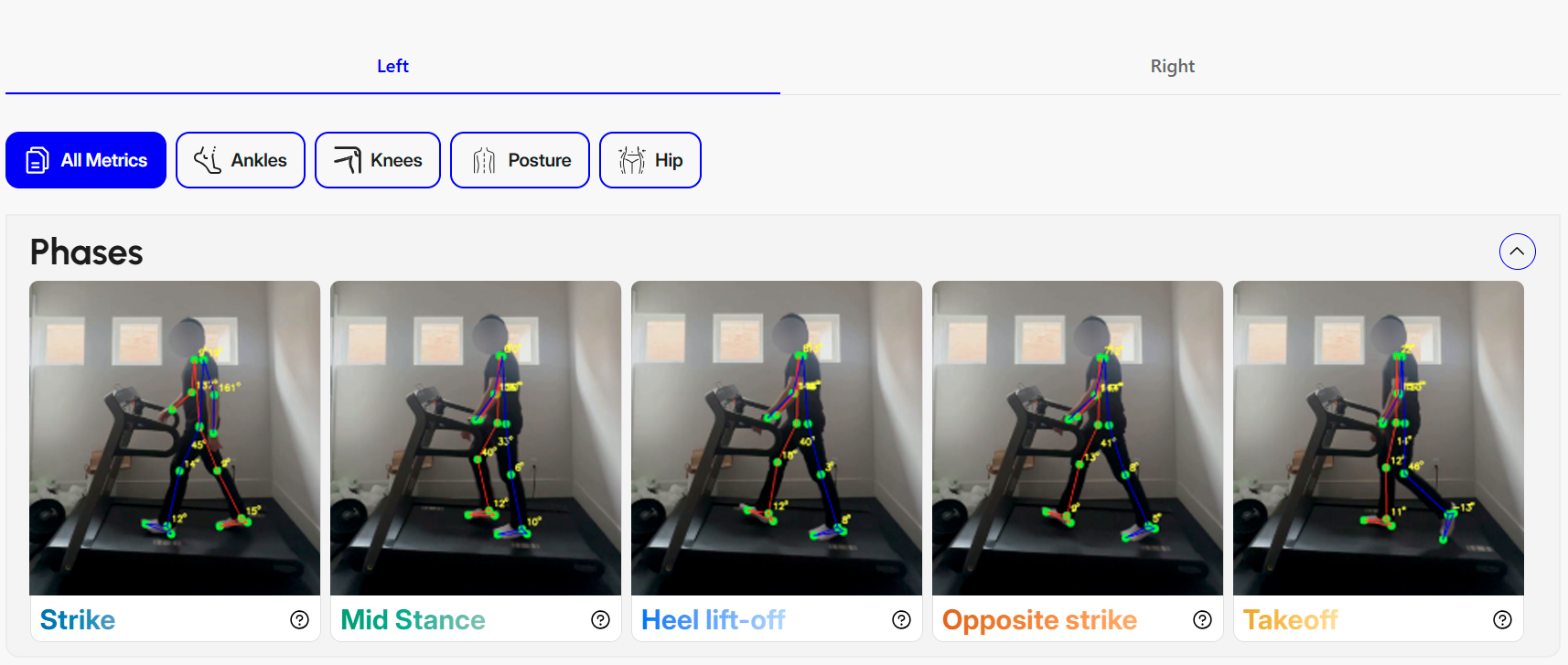
Fig 2. Visualizing Gait Phases with AiKYNETIX.
How AiKYNETIX Micro-analyses the Walking Gait Cycle
AiKYNETIX applies single-camera biomechanical analysis to break the gait cycle into micro-level components, enabling objective insight into mechanical efficiency, asymmetry, and potential injury risk.
Typical interpretation logic:
- Step symmetry difference > 8–10% → possible compensation strategy
- Reduced stance time on one limb → unloading due to discomfort or weakness
- Reduced stride length → possible hip mobility or propulsion deficit
- Increased cadence with reduced stride length → stability strategy
These ranges provide useful comparison benchmarks when interpreting AiKYNETIX reports.
Detecting Micro-varations in the Gait
Rather than relying on only averaged values, AiKYNETIX evaluates temporal sequencing and inter-joint coordination, helping detect subtle deviations through key events of the gait.
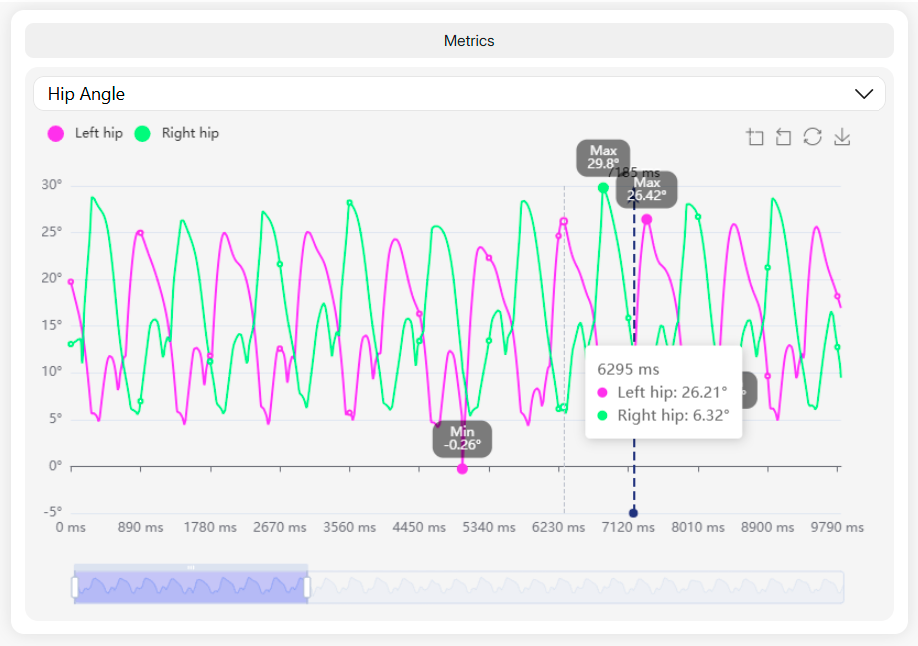
Fig 3. Left vs. Right Joint Angles: Spotting Asymmetry.
Examples of micro-variations captured may include:
| MICRO-VARIATION | POSSIBLE INTERPRETATION |
| Delayed peak knee flexion | Reduced limb advancement efficiency |
| Reduced ankle plantarflexion | Reduced propulsion contribution |
| Increased trunk lean | Compensation for reduced hip extension |
| Asymmetrical stance duration | Protective unloading pattern |
| Reduced hip extension | Shortened stride length |
| Increased cadence variability | Reduced neuromotor consistency |
Why micro-analysis matters
Small inefficiencies repeated across thousands of steps per day can increase cumulative tissue load. Detecting early deviations enables:
- Earlier intervention
- Targeted exercise prescription
- Improved return-to-sport decisions
- Objective rehabilitation monitoring
- Scalable movement screening
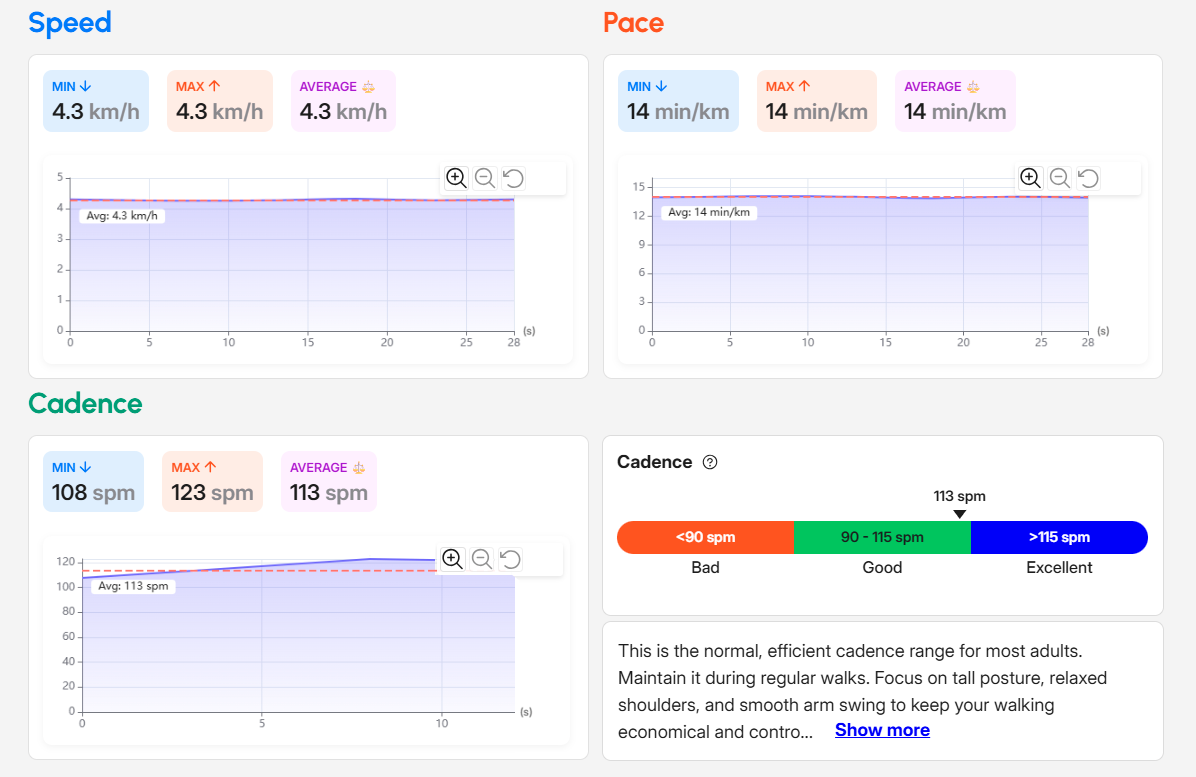
Fig 4. AiKYNETIX Gait Analysis Report: From Video to Data.
By converting standard video into quantified biomechanical signals, AiKYNETIX enables gait analysis outside laboratory environments while maintaining clinically meaningful precision.
Want more tips like this?
📬 Subscribe to our newsletter for more practical guides!
📊 Start your free trial at aikynetix.app
📥 Got questions? Drop us a line: info@aikynetix.com
Find us in the socials:
Facebook | Instagram | X | Telegram | LinkedIn | Strava | YouTube